EXAMPLE: The Future of Defense Intelligence-Critical Decision Making

Anvil Intelligence Inc
May 21, 2025

THIS IS AN EXAMPLE ARTICLE:
In an era where national security threats evolve at unprecedented speed, defence organizations face a critical challenge: how to process vast amounts of data and make informed decisions faster than ever before. The traditional approaches to intelligence analysis, while thorough, often lack the speed and scalability required to address modern threats effectively.
The integration of artificial intelligence and machine learning into defence intelligence operations represents a paradigm shift that's already transforming how military and security organizations operate. From predictive threat analysis to automated decision support systems, AI is becoming the cornerstone of modern defence strategy.
The Current Intelligence Landscape
Modern defence organizations collect information from an overwhelming array of sources: satellite imagery, communications intercepts, human intelligence reports, social media monitoring, sensor networks, and countless other data streams. The sheer volume of information has grown exponentially, creating what many analysts call "intelligence overload."
Traditional analysis methods, while proven and reliable, struggle to keep pace with this data explosion. Analysts spend significant time on routine tasks like data correlation, pattern recognition, and initial threat assessment—work that could be automated to free up human expertise for higher-level strategic thinking.
Automated Threat Detection
Machine learning algorithms can process vast datasets in real-time, identifying patterns and anomalies that might indicate emerging threats. These systems don't replace human analysts but augment their capabilities, flagging potential issues for deeper investigation.
Predictive Analytics
Advanced AI models can analyze historical data and current trends to predict potential future scenarios, enabling proactive rather than reactive defence strategies. This capability is particularly valuable in mission planning and resource allocation.
Multi-Source Data Fusion
AI excels at correlating information from disparate sources, creating comprehensive situational awareness from fragmented data points. This capability is crucial for understanding complex, multi-faceted security scenarios.
Real-World Applications
The practical applications of AI in defense intelligence are already showing remarkable results:
Cybersecurity Operations: AI systems monitor network traffic patterns to identify potential cyber threats before they compromise critical systems.
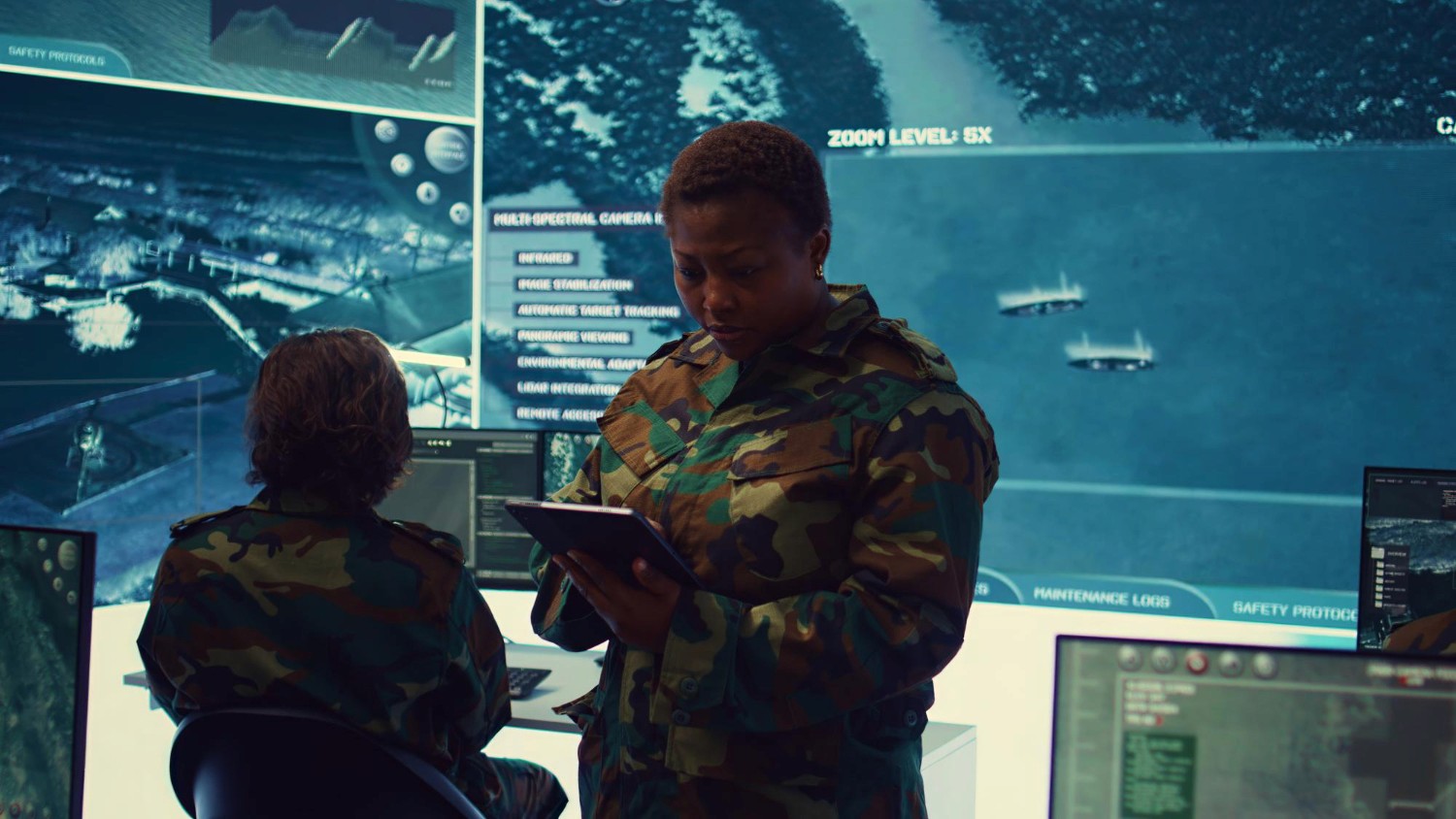
Geospatial Intelligence: Machine learning algorithms analyze satellite imagery to detect changes in terrain, infrastructure, or troop movements.
Communications Intelligence: Natural language processing tools help analysts quickly process and categorize vast amounts of intercepted communications.
Logistics and Supply Chain: Predictive models optimize resource allocation and anticipate supply chain vulnerabilities.
Challenges and Considerations
While the potential of AI in defence intelligence is enormous, organizations must navigate several important challenges:Security and privacy concerns top the list of challenges. AI systems must be designed with robust cybersecurity measures and clear protocols for handling classified information. Additionally, the "black box" nature of some AI algorithms raises questions about transparency and accountability in critical decisions.
The Path Forward
The future of defence intelligence lies in the seamless integration of human expertise and artificial intelligence. Organizations that succeed will be those that view AI not as a replacement for human analysts, but as a powerful tool that enables them to operate more effectively.
Key factors for successful AI adoption include:
Comprehensive Training: Ensuring all personnel understand how to work with AI systems effectively
Gradual Implementation: Starting with pilot programs and scaling successful applications
Continuous Evaluation: Regularly assessing AI performance and making necessary adjustments
Ethical Frameworks: Establishing clear guidelines for AI use in sensitive operations
As we look to the future, the organizations that embrace this technology thoughtfully and strategically will gain significant advantages in protecting national security interests. The question isn't whether AI will transform defense intelligence—it's how quickly organizations can adapt to harness its full potential.